
Baby’s First Food - Broccoli
Introducing broccoli to your baby as a first food
When you were a child, you would either love or really hate broccoli. Most kids hated it at some point. And I get it, these little trees can be quite bitter (especially if undercooked!) and the texture is a bit odd until you get used to it.
This is one of those foods that your parents were right when they said you need to eat your broccoli! It is so full of great nutrition!
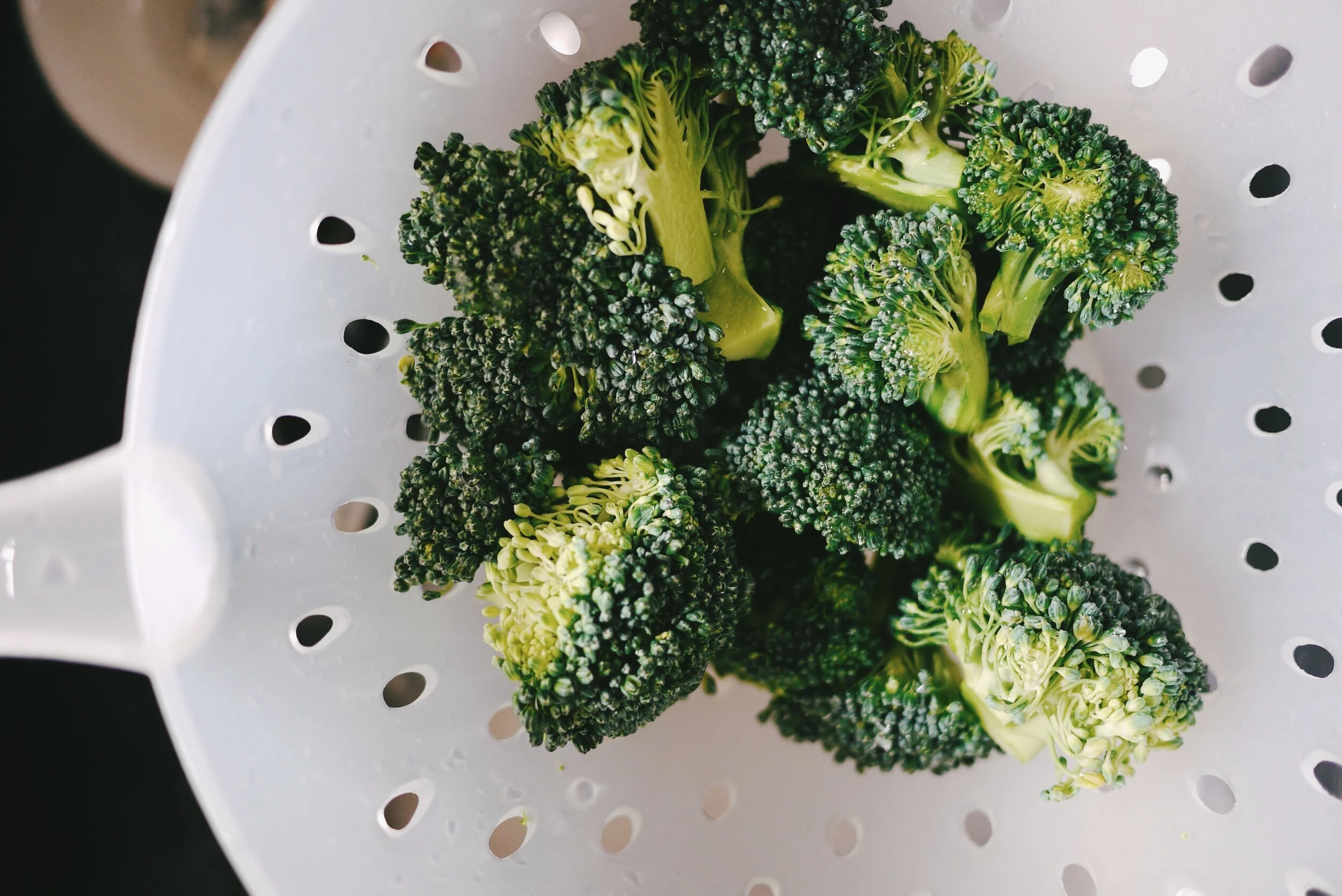
Why should you feed your children broccoli?
Nutrition in broccoli
1 cup of chopped up broccoli contains:
3 g of protein
Fibre - and lots of it!
14% of your RDA of folate
More than your daily needs for Vitamin K and C
Loads of antioxidants - the darker the green, the more antioxidants too! I tend to innately go for the greener ones anyway, don't you?
Fats - 2 cups of broccoli has equivalent ALA as one capsule of flaxseed oil
People don't often consider that their vegetables have much protein or fats in them so it's good to know that broccoli has a good serving of both!
Other interesting facts about broccoli:
Broccoli is really high in antioxidants, particularly the ITCs which support the lining of the stomach and prevent gut infections (basically a really good prebiotic)
The vitamin C is easily retained with cooking, unless you cook it for 20 minutes or more
The high vitamin C makes the iron and calcium in broccoli easily absorbed - which your baby needs for brain and bone development!
Broccoli has been shown to have anti-inflammatory properties, leading to reduced allergic reactions and conditions like asthma (in some individuals)
Is Broccoli on the Dirty Dozen?
Broccoli has been identified as one of the vegetables LEAST likely to contain pesticide residues, so it’s not as important to buy the organic variety as it is with some other fruits and veggies. However, some sources suggest that the anti-cancer properties of broccoli are more abundant in organic broccoli – so, if it’s within your budget – organic may be the way to go!
If you want to know what is on the Dirty Dozen list, check it out here.
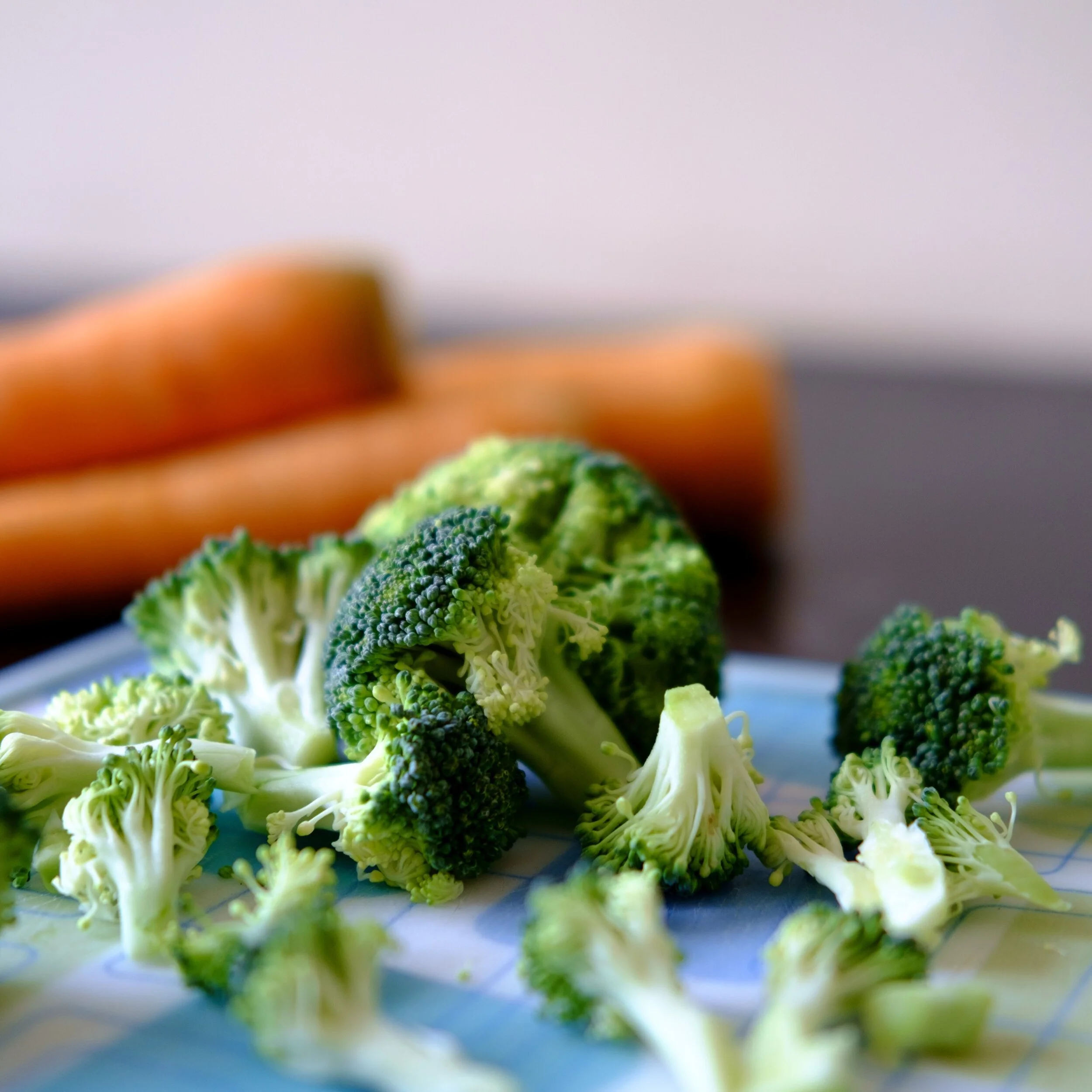
Recipe ideas to introduce broccoli to your baby
Adding broccoli to just about any meal is easy, especially with a thermomix if you’re wanting to ‘hide’ the greenery a bit!
You can offer it to your baby as a broccoli floret so they hold it and mouth it.
You can add it to sauces, meatballs, or fritters.
If you find that your baby gets gassy after eating broccoli, try removing all the stems and offering just the heads
Broccoli Sauce (yum!)
1 cup broccoli florets
2-4 tbsp bone broth (or vegetable stock)
2 tsp extra virgin olive oil
1 tsp herbs (oregano and parsley are favourites here)
Step 1. Steam the broccoli
Step 2. Blend with other ingredients into a sauce-like texture!
Step 3. Add onto anything you like - other vegetables, pastas, eggs...
Broccoli Puree - for those of you wanting to introduce some puree food this one is yum yum yum!
Have you got a favourite broccoli recipe? Share it with us in the Fearless Foodies Facebook Group!
For many more delicious and nutritious baby food recipes check out my new ebook 101 Baby Food Recipes (that your baby will love).
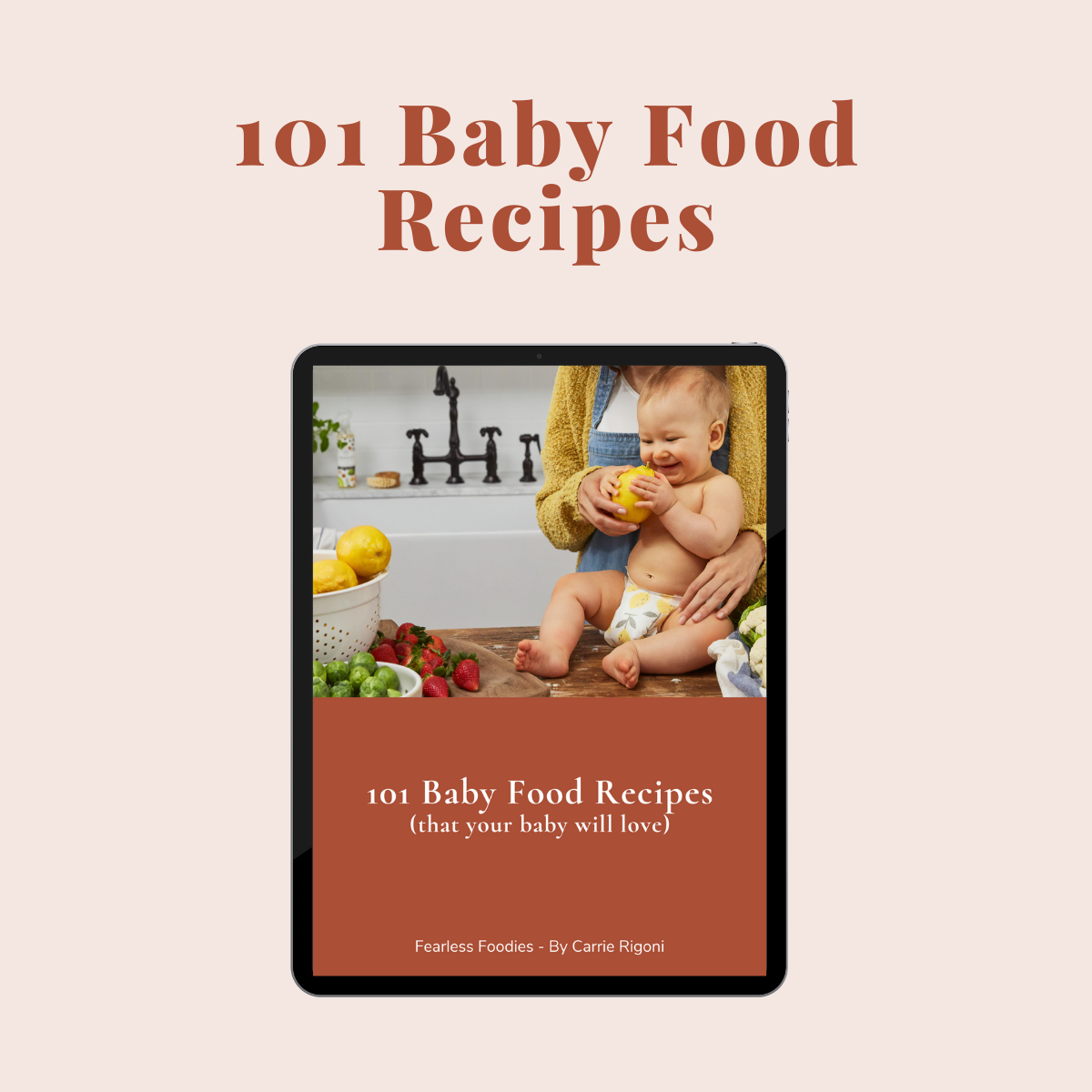
The ultimate baby food recipe ebook! And it now includes weekly meal plans!
Categorised into age ranges so you know exactly what you can introduce to your baby, safely each step of the way. Age ranges are 5-8 months, 8-10 months, 10-12 months and 12-18 months.
Take the stress out of preparing food for your baby, it’s all in here.
Options include: gluten free, dairy free, vegan, egg free, grain free, nightshade free.
The best part? All recipes are easily adaptable to cater to your diet, no matter what the restriction is.
Weekly Meal Plans - 4 weeks per age category, to make life EVEN EASIER, mama.
This is a digital download product.


