The Moksha O1 Stress Relief Device: A Vagus Nerve Chiropractor's Review
If you've followed me for any length of time, you'll know I'm a big fan of practical, accessible tools for nervous system regulation - things you can actually use in the middle of a real day, not just during a dedicated meditation session. I've previously reviewed the Nurosym vagus nerve stimulator and the Rezzimax, both of which I use and recommend in specific contexts.
The Moksha O₁ is a different beast entirely. It's low-tech, beautifully designed, and deceptively simple. And it works - not because of any magic, but because of solid neurophysiology.
Here's everything you need to know.
What Is the Moksha O₁?
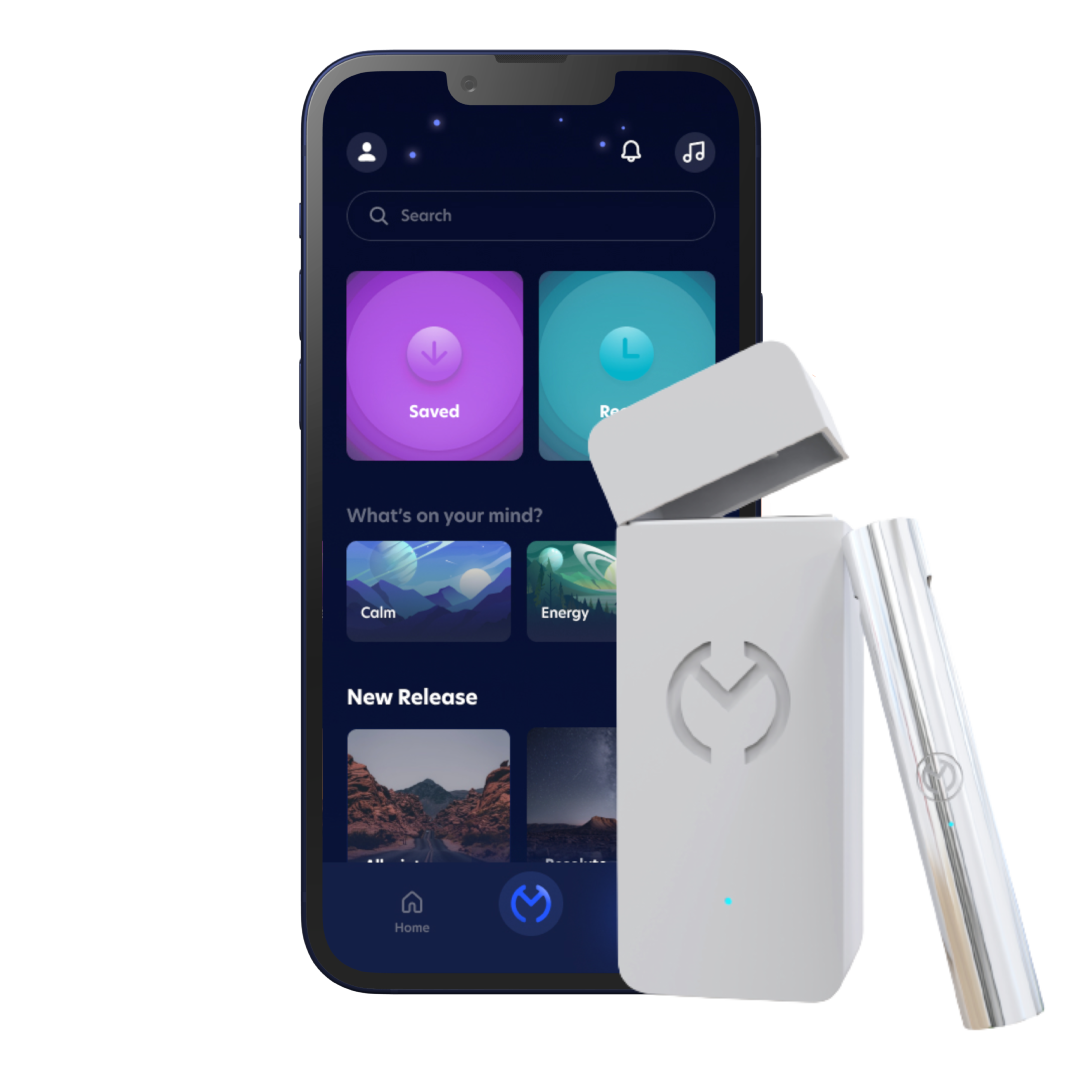
The Moksha O₁ is a handheld breathwork device that you exhale through. It is pocket-sized, rechargeable, and smart, meaning it has built-in air pressure sensors that actually track your breath in real time, plus haptic feedback (vibration) that guides you through exercises without needing to watch a screen.
You inhale through your nose, and exhale slowly and deliberately through the O₁. The device is engineered to encourage longer, deeper, more controlled exhales — the specific breathing mechanic that drives parasympathetic activation — and its sensors confirm whether you're hitting the target, removing the guesswork that undermines most people's attempts at breathwork.
It comes with a sleek rechargeable case that provides approximately a week's worth of battery, making it genuinely portable. It connects to the Moksha app via Bluetooth, which is where the real depth of the product lives.
It pairs with the app by Moksha, which adds guided breathwork sessions, data tracking, and (in a stroke of genuine cleverness) gamified breathing exercises that make the practice engaging enough to actually stick to.

The Science: Why Exhaling Through Resistance Calms the Nervous System
To understand why the Moksha works, you need to understand the relationship between the breath and the vagus nerve - which is, in my world, a very well-trodden path.
The vagus nerve is the primary nerve of the parasympathetic nervous system. It carries signals between the brain and almost every major organ in the body (heart, lungs, gut, liver) and it is the main mechanism through which the breath influences nervous system state.
Here's the key neurophysiological mechanism:
The respiratory sinus arrhythmia (RSA) effect. Your heart rate naturally speeds up slightly during inhalation and slows during exhalation. This is normal and healthy, it's called respiratory sinus arrhythmia. The slowdown during exhalation is driven by the vagus nerve. When you extend the exhale, you extend the period of vagal activity, which drives the heart rate down and shifts the autonomic nervous system toward parasympathetic dominance.
Airway resistance and vagal pressure. When you exhale through Moksha O, the mild resistance created increases pressure within the airways. This elevated airway pressure is thought to stimulate pressure-sensitive receptors along the vagal pathway - essentially applying gentle, sustained stimulation to the vagus nerve with every exhale. The vagus nerve responds by increasing parasympathetic tone.
The exhale-to-inhale ratio. Most people in a stressed state breathe with an inhale that is longer than their exhale - which is physiologically backwards from a regulatory standpoint. The extended exhale is what triggers the parasympathetic response. The Beam's resistance naturally creates a longer exhale, correcting this ratio without requiring willpower or conscious attention to technique.
Diaphragmatic engagement. Exhaling against resistance also encourages deeper diaphragmatic breathing - breathing into the belly rather than the chest. Diaphragmatic breathing is associated with significantly greater vagal activation than chest breathing, because the movement of the diaphragm itself stimulates the vagus nerve, which runs directly adjacent to it.
The net result of all of this? A sustained, gentle, and remarkably effective activation of the parasympathetic nervous system with every breath you take through the necklace.
What Makes It Different From Just "Breathing Slowly"?
This is the question I asked myself before I tried it. Can't you just... breathe slowly? Without a necklace?
Yes. And for many people, with practice, you can. But here's what the Beam does that pure intention cannot:
It removes the guesswork. The O₁'s air pressure sensors track your breath in real time and provide feedback, on whether your exhale is hitting the target. Most people attempting breathwork have no idea whether they are actually achieving the physiological parameters needed for vagal activation. The O₁ takes that uncertainty away. This is not a small thing: it's the difference between doing exercise and doing the right exercise.
Haptic feedback keeps you anchored. The device vibrates gently at the right moment to signal the transition from exhale to inhale. This means you don't need to count in your head, watch a screen, or exert any cognitive effort to pace your breath correctly. The device does the pacing for you. You don’t have to do any cognitive processes yourself, just follow the prompts.
It makes breathwork habit-forming. The gamification layer (more on this below) is specifically designed to solve the most pervasive problem in breathwork: people know it works but can't make themselves do it consistently. The O₁ addresses this directly through reward systems, streaks, characters, and games — the same engagement mechanics that make other apps sticky, applied to something that actually changes your nervous system.
It is discreet. The O₁ is pocket-sized and designed to look like an everyday object. You can use it at your desk, in your car, before a meeting, or in a waiting room without drawing attention. For people who find visible wellness practices awkward in professional or social environments, this matters.
My Personal Experience
I've recommended the Moksha O₁ to patients, clients in my online programs and parents of dysregulated children.
What I notice most is its usefulness in the in-between moments - not in a dedicated meditation session (though it works there too), but in the moments that actually tend to derail regulation: the tense conversation, the stressful drive, the moment before a difficult phone call, the mid-afternoon energy crash.
The best nervous system tool is the one you actually use and the Moksha O₁ wearability makes consistent use genuinely easy.
I also find the resistance particularly useful for sleep. A few minutes of Moksha O₁ breathing before bed - ideally combined with some heart-focused breathing (extending the exhale) - has a noticeably settling effect on the nervous system that I'd put in the same category as a short progressive relaxation practice, but significantly less effortful.
The Moksha App: Where the O₁ Really Comes Alive
The Moksha app (iOS only at time of writing) is genuinely more sophisticated than most wellness apps I've encountered, and the O₁'s sensor integration sets it apart from generic meditation apps in meaningful ways.
Five breathwork categories, each with distinct physiological goals:
Calm — begins with box breathing (4-4-4-4) for acute stress relief
Sleep — 4-7-8 breathing with calming soundscapes for pre-sleep nervous system downregulation
Energy — activating breathing patterns for focus and alertness
Morning — a gentle transitional practice to start the day with regulation
Recovery — muscle relaxation and oxygen balance, particularly useful post-exercise or during illness
Each category includes guided exercises that sync directly with the O₁, using the device's haptics to guide the breath pattern without requiring screen attention.
Gamified breathing exercises. This is the O₁'s most distinctive feature and, in my view, its most clinically significant for specific populations. The app includes breath-powered games where your breath is literally the controller. The games are genuinely engaging, and they create a context in which correct breathing mechanics are intrinsically rewarding rather than effortful.
For children and adolescents with anxiety, ADHD, or nervous system dysregulation, I cannot overstate how significant this reframe is. "Just breathe" is among the least effective instructions you can give a dysregulated young person. "Control this game with your breath" is a completely different proposition.
Real-time sensor tracking and data. Unlike any passive breathwork tool, the O₁ tracks whether you are actually performing exercises correctly — measuring exhale duration and breath pressure and providing immediate feedback. The app accumulates this data over time, showing trends in your practice and confirming habit formation.
Points, rewards, and streak systems. The gamification extends beyond breath games to include points, gems, character progression, and rewards for completing exercises and maintaining streaks. These mechanics are specifically designed to solve the compliance problem that undermines almost all breathwork and meditation practices. They work — for the same reason they work in every other context where behaviour change is the goal.
Over 1,000 guided meditations. Beyond the breathwork-specific content, the library includes broader meditation and mindfulness content covering sleep, focus, stress, and emotional regulation. Most of this content can be used without the device, which adds value for users who want a broader mindfulness practice beyond breathwork.
Who Is the Moksha O₁ Best Suited For?
People who've tried breathwork and haven't been able to stick with it. If breathwork boredom or inconsistency has been your obstacle, the gamification and sensor feedback genuinely change the equation.
Children and adolescents with anxiety, ADHD, or dysregulation. The breath games are specifically compelling for young people who would reject conventional breathwork instruction. The O₁ makes regulated breathing feel like playing, not practising, which is exactly the reframe needed for this dopamine-seeking population.
Adults with anxiety, burnout, or perimenopause-related nervous system dysregulation. The structured categories and guided exercises remove the cognitive load of deciding what to do, which is particularly valuable when the nervous system is already overwhelmed.
People with chronic illness, POTS, long COVID, or chronic fatigue who need low-effort access to vagal support. The haptic pacing means breathwork can be done lying down, with eyes closed, without screens — making it accessible even on low-capacity days.
Data-oriented people who want confirmation that their breathwork is physiologically effective, not just a reassuring habit. The sensor feedback provides exactly that.
Any Limitations?
In the interest of a balanced review:
The Moksha is not a medical device and is not a replacement for professional support if anxiety, nervous system dysregulation or chronic illness are significantly impacting your life. It is a tool - and like all tools, it works best as part of a broader approach.
The vagal activation from the Moksha O₁ is real and meaningful, but it is relatively gentle. For more significant vagal tone deficits (particularly in children with neurodevelopmental concerns, or adults with trauma histories and deeply ingrained dysregulation) the Beam is a useful adjunct, but not a complete solution on its own.
And if you're hoping the gamified app will get your teenager to enthusiastically pick up a daily breathwork practice, your results may vary.
It helps, but it's not magic.
Final Verdict
The Moksha O₁ is one of the most practically useful nervous system tools I've come across - and I say that as someone who has reviewed quite a few of them. Its genius is in its simplicity: it takes the physiological mechanism that every breathwork practice in the world is trying to achieve (extended, diaphragmatic exhalation with vagal activation), and builds it into a wearable object you carry with you all day.
The science is sound. The design is elegant. The app adds genuine value. And the discreet wearability makes it the kind of tool people actually use consistently - which is the only metric that ultimately matters.
For nervous system support that travels with you, I'd recommend it without hesitation.
If you would like to try Moksha O₁ for yourself, you can get 20% off with my code: CARRIERIGONI at the link below.
Would you like to discover more of my favourite Vagus Nerve Resources? Download my guide for free!
*Please note that this blog contains affiliate links which means I may get a small commission when you purchase (at no extra cost to yourself). Thank you for supporting and honouring the time it takes to research amazing products for you! See all my recommendations here.